

 Facebook
 X
X
 Pinterest
 Copy Link
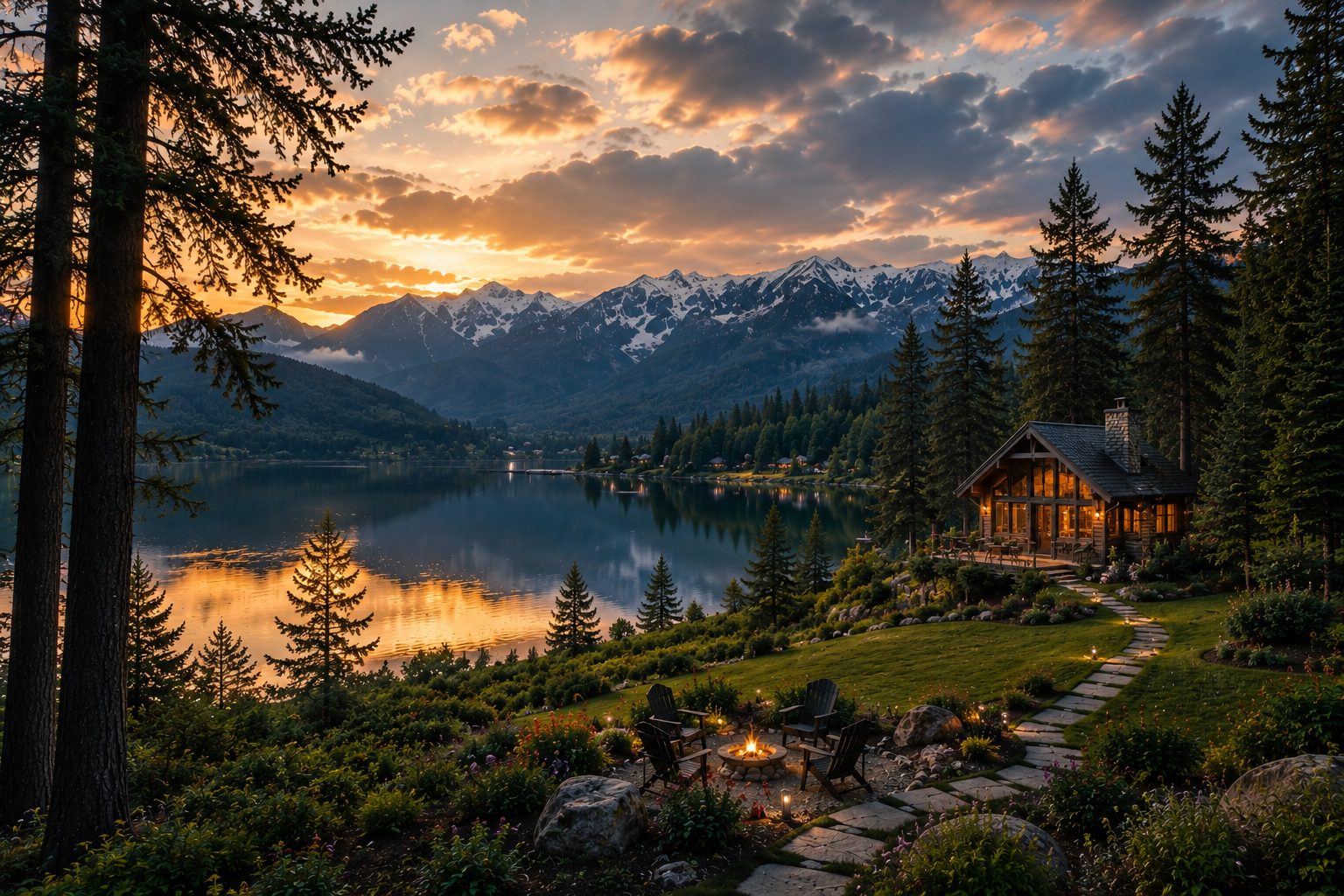
For years, owning a vacation home sounded like the ultimate dream. A cozy cabin in the mountains, a waterfront getaway near the San Juan Islands, or a modern retreat along the Washington coast. Somewhere you could escape to on weekends while also building wealth through real estate appreciation.
But in today’s market, many buyers are asking a very practical question:
Is owning a second home actually worth it anymore?
With rising home prices, higher insurance costs, fluctuating short term rental regulations, and changing travel habits, the answer is not always as simple as it used to be. Here in the Pacific Northwest, where destinations like Leavenworth, Cle Elum, Whidbey Island, and Seabrook remain incredibly popular, the decision deserves a closer look.
The Emotional Appeal Is Still Strong
There is something special about having “your place.”
Unlike a hotel or Airbnb, a second home becomes part of your family traditions. You know the coffee shop down the street. You know which trails are best at sunset. You leave your favorite blanket there and start building memories over time.
In the Pacific Northwest especially, buyers love the idea of escaping the daily grind without needing a flight. A two to four hour drive can completely change the scenery, whether that means evergreen forests, mountain views, or crashing ocean waves.
That lifestyle value is hard to measure financially, but for many people, it is the biggest reason to buy.
The Financial Side Has Changed
A few years ago, short term rentals felt like easy money. Buy a vacation property, furnish it nicely, list it online, and watch the bookings roll in.
Now, it is more complicated.
Many buyers underestimate the true costs of ownership, including:
• Higher interest rates for second homes or investment properties
• Furnishing and setup costs
• Cleaning and maintenance fees
• Property management expenses
• Insurance increases
• Local short term rental restrictions and permits
• Seasonal vacancy periods
In some Pacific Northwest vacation markets, homes may only see peak rental demand during certain seasons. A mountain cabin may thrive in winter and summer but slow dramatically during shoulder seasons. Coastal homes can see the same pattern depending on weather and tourism trends.
That does not mean owning cannot make sense. It simply means buyers need to approach these properties more like a business decision than a guaranteed passive income machine.
Vacation Home vs. Pure Investment Property
This is where many buyers get tripped up.
If your primary goal is maximizing cash flow, a long term investment property may outperform a vacation rental with far less stress.
But if your goal is a hybrid of lifestyle and long term wealth building, the equation changes.
A second home can potentially offer:
• Personal enjoyment
• Appreciation over time
• Rental income to offset costs
• Future retirement flexibility
• A hedge against rising vacation costs
The key is being honest about your goals before buying.
If you only plan to use the property once or twice per year, renting may simply make more financial sense. But if your family will regularly use the property and create lasting memories there, the value becomes much larger than just the monthly spreadsheet.
The Pacific Northwest Advantage
One thing working in favor of Pacific Northwest vacation properties is long term desirability.
People continue moving to Washington because of the lifestyle. Outdoor recreation, mild summers, scenic beauty, and strong job markets continue driving demand across many regions.
Areas like:
• Leavenworth
• Cle Elum
• Seabrook
• Whidbey Island
• Hood Canal
• Chelan
• Bellingham
continue attracting both tourists and second home buyers looking for a getaway that still feels accessible from Seattle and surrounding areas.
That long term demand can help support property values even during slower economic periods.
So… Is It Worth It?
The honest answer is: it depends on why you are buying.
If you are expecting easy passive income with little work, today’s market may feel disappointing.
But if you are looking for a property that combines lifestyle, flexibility, family memories, and long term ownership potential, a vacation home can still be an incredible investment in both your finances and your quality of life.
The biggest mistake buyers make is purchasing based on emotion alone without fully understanding the numbers. The second biggest mistake is focusing only on numbers and forgetting the lifestyle benefits entirely.
The sweet spot is finding a property that can realistically support both.
If you have been considering a vacation property anywhere in Washington or the Pacific Northwest, I would be happy to help you evaluate the opportunities, expected costs, rental potential, and long term value before you make the leap.

