

 Facebook
 X
X
 Pinterest
 Copy Link
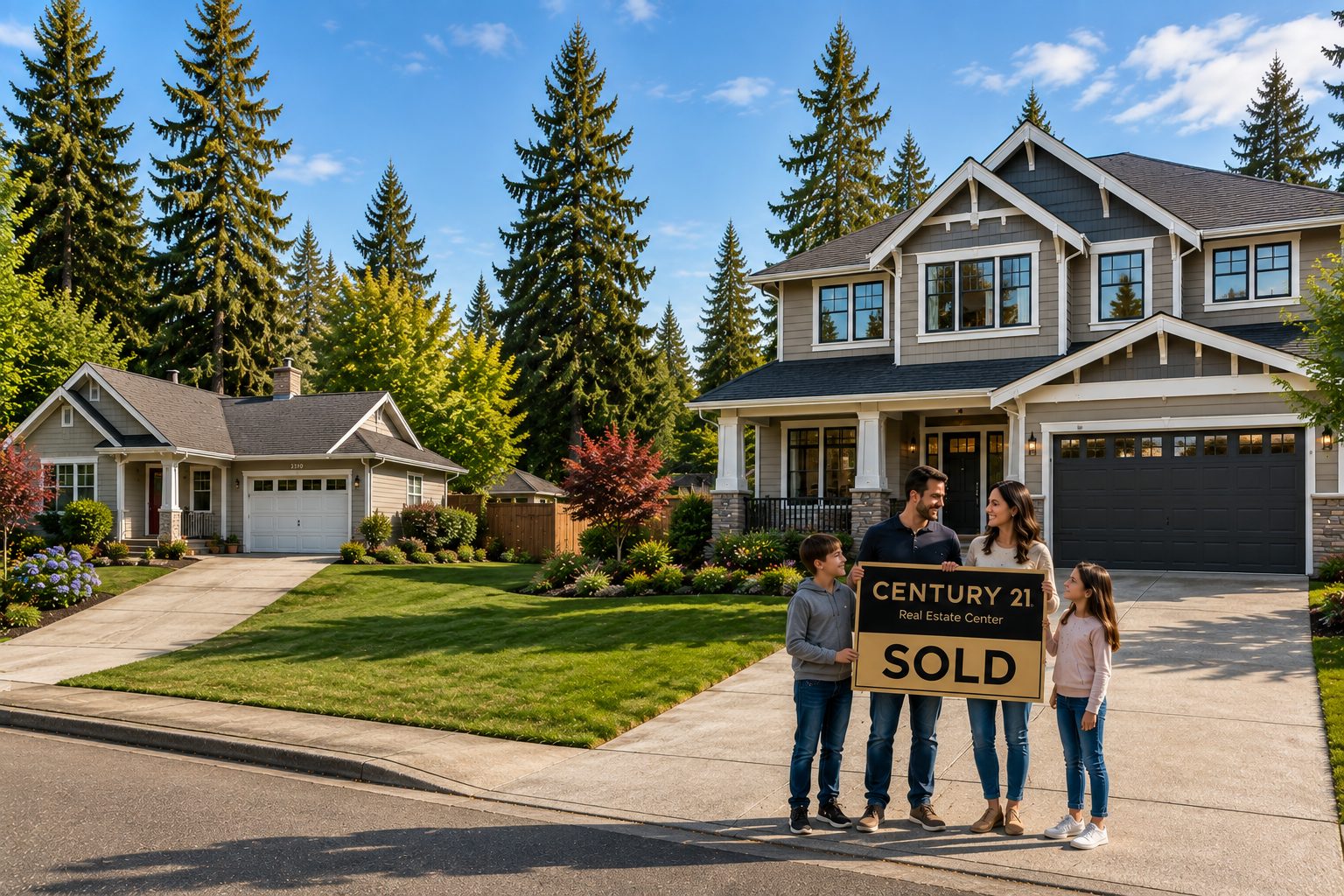
One of the most common questions I get from homeowners who are thinking about moving isn’t really about where they’re going.
It’s about how they’re going to get there.
“Do I sell my house first, or do I buy the next one first?”
And in our current market around Snohomish and North King County, that’s a very good question.
For years, homeowners became accustomed to hearing about homes selling in a weekend, multiple offers, waived contingencies, and buyers practically lining up at the door.
That’s not the market we’re in today.
There are still homes that sell quickly. But there are also perfectly good homes, in desirable areas, that are taking longer to find their buyer. That makes coordinating a sale and a purchase a little more complicated.
The good news?
You have options.
Step One: Figure Out What Your Current Home Is Really Worth
Before we start touring the dream house with the bigger kitchen, three-car garage, or the primary bedroom that doesn’t share a wall with the kids, we need to know what we’re working with.
That starts with your current home.
What would it realistically sell for in today’s market?
How much do you still owe?
What will your approximate proceeds be after the mortgage, selling expenses, and closing costs are paid?
That equity may become the down payment on your next home, and until we understand that number, we’re really just guessing at the rest of the move.
This is also where today’s market matters.
Across the Northwest MLS area, the number of homes for sale has increased considerably compared with last year. Buyers have more choices, and they’re being more selective.
That doesn’t mean your home won’t sell.
It means pricing and preparation matter.
A lot.
Step Two: Talk With a Lender Before You Decide Which Comes First
Once we have a realistic idea of your equity, the next conversation should be with a lender.
And preferably before you fall in love with another house.
Some homeowners have enough income, savings, or equity to purchase their next home before selling their current one. Others may have financing options that can help bridge the gap between the two transactions.
For other homeowners, the sale of their current home needs to happen first.
There’s nothing wrong with either scenario.
The important part is knowing which scenario applies to you before we’re standing in the kitchen of a house you absolutely have to have.
Option 1: Sell First, Then Buy
Financially, this is often the cleanest option.
Once your current home is under contract or sold, you know exactly how much money you’re bringing to the next purchase.
You’re also a much stronger buyer than someone whose offer depends entirely on selling a home that isn’t under contract yet.
The downside is obvious.
Where do you live in between?
Sometimes we can negotiate possession after closing. Sometimes the timing works beautifully and the two transactions close within days of each other.
And sometimes there’s a short-term rental, storage unit, and a few weeks of inconvenience involved.
Not glamorous, but sometimes it’s the smartest route.
Option 2: Buy First, Then Sell
This is certainly the more comfortable way to move if the finances work.
You can buy the new home, move at your own pace, and then prepare the old home for sale without trying to keep it spotless while you’re living there.
The catch?
You need to be able to financially carry both homes for some period of time.
And this is where I’d be particularly cautious in today’s market.
I would never want a homeowner making plans based on the assumption that their house will sell in seven days just because the house down the street did.
It might.
But we should build the plan around what happens if it doesn’t.
Option 3: Make the Purchase Contingent on Your Sale
Yes, contingent offers are a thing again.
For quite a while around Seattle and Snohomish County, an offer contingent on selling another home had about as much appeal to a seller as discovering water in the crawlspace.
The market has changed.
With more homes available and some properties sitting longer, sellers may be more willing to consider an offer that’s contingent on the buyer selling their current home.
That doesn’t mean every seller will accept one, particularly on a newly listed home receiving strong activity.
But it’s an option worth discussing, especially for homes that have been on the market for a while.
And right now, we’re seeing more of those.
Today’s Market Actually Creates Some Opportunities
Here’s the interesting part.
A slower market can make selling and buying at the same time feel more uncertain.
But it can also create opportunities.
If your current home takes longer to sell, the home you’re hoping to buy may be sitting longer too.
You may have more negotiating room.
You may be able to negotiate closing costs, repairs, price, possession dates, or other terms that would have been difficult a few years ago.
The key is understanding that your advantage as a buyer and your challenge as a seller are two sides of the same market.
That’s why I don’t look at the sale and the purchase as two separate transactions.
They’re one move.
Start With the Numbers, Not Zillow
If you’re thinking about selling and buying, you don’t need to have everything figured out before talking with an agent.
You don’t even need to know exactly where you’re going yet.
Start by answering a few questions:
What could my current home realistically sell for?
How much equity would I have available?
What can I comfortably spend on the next home?
Do I need to sell before I buy?
And what happens if the timing isn’t perfect?
Once we know those answers, we can build the strategy around them.
Because selling one home and buying another doesn’t have to feel like trying to jump from one moving train to another.
You just need to know which train is leaving first.

